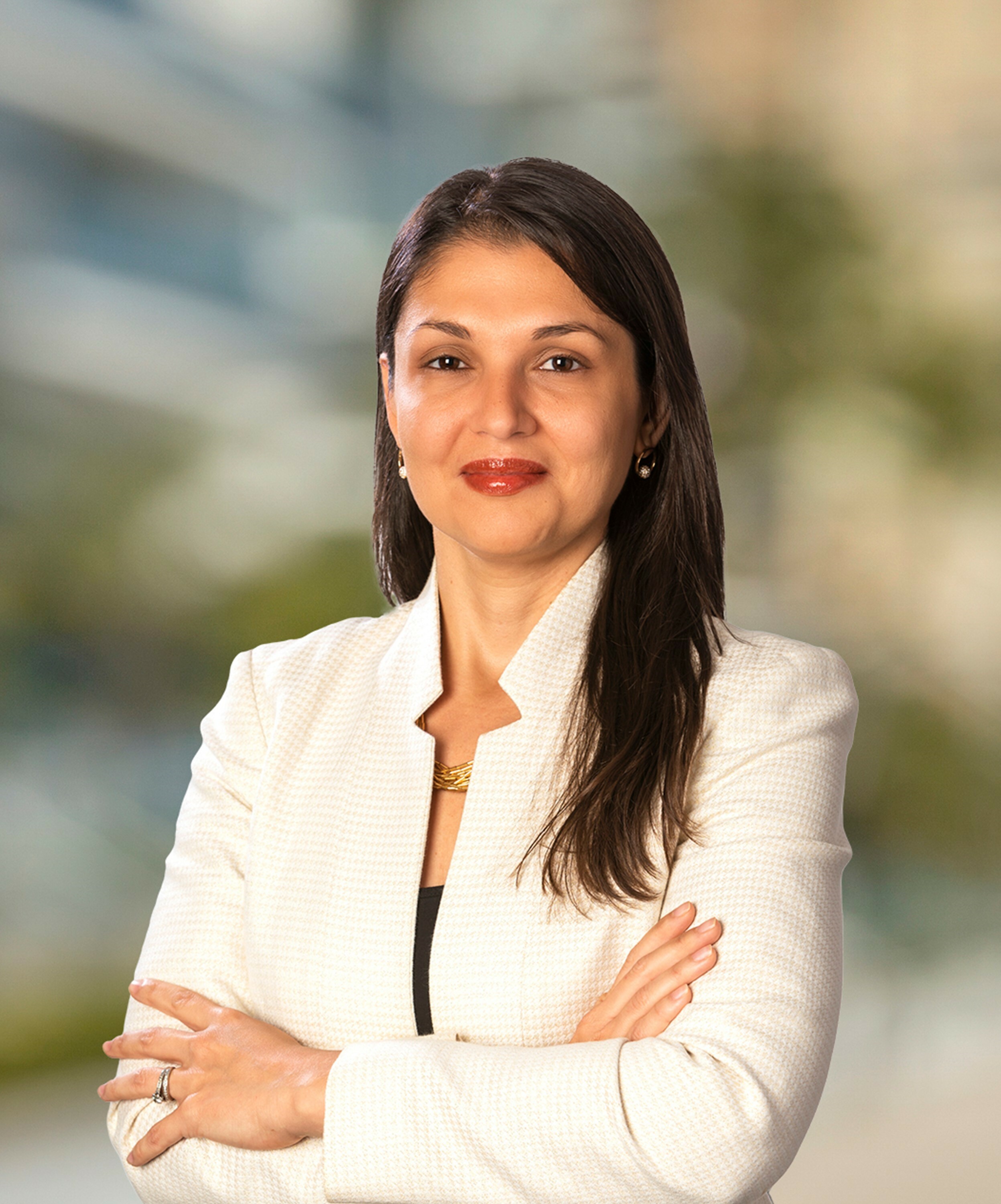
Estefania San Juan
Partner
White & Case
Law School: American University, Washington College of Law (2013)
LinkedIn Profile: Estefania San Juan | LinkedIn
What led you to support and sponsor the South Florida Women In-House Counsel Group?
One of the things I most admire about this network is the diversity of industries represented. It demonstrates that the members truly are the engine and the face of Miami's business and legal community. I've had the pleasure of experiencing the energy and warmth of this community firsthand, both at group events and in one on one conversations with several members. You can sense that it's a platform built to lift and highlight one another in a genuine way.
What advice would you give to young women aspiring to enter the legal field – or what advice would you give your younger self?
We are standing on the shoulders of giants, and that means we get to forge our own path. I think about my grandmother, who is in her nineties and is one of the smartest women I know. She couldn't even vote when she was young, and she never went to college. Yet just a few generations later, the progress we've made (even if unfinished) means we can go at our own pace, make our own professional and personal choices, and find our individual version of balance rather than fit a prescribed mold. I had my first daughter when I was a very young associate. I wish I'd had the wisdom then not to worry so much, so I could have savored the personal and professional experience a bit more in the moment.
What area(s) of law do you specialize in, and what drew you to this particular field?
I specialize in dispute resolution for high stakes transactions and investments in Latin America and the U.S. I grew up in Cúcuta, a Colombian city on the Venezuelan border, and immigrated with my family to the United States when I was 15. Having witnessed firsthand the daily reality and human toll of political change, instability, and armed conflict, I was drawn to the fields of international studies and political science, which I majored in at the University of North Carolina. I eventually made my way to law school, where I discovered this fascinating, almost tailor made field. I now get to work on disputes that touch on many of these same issues, from representing investors in renewable energy projects harmed by abrupt policy changes following a change in government, to disputes involving illegal mining and sovereign debt defaults, to significant infrastructure and retail operations across multiple jurisdictions, among others. Every dispute is unique, but I find it helps to draw on my life experience and my studies outside the law.
Outside of your career, what are some of your hobbies or interests? Where can we find you on a typical weekend?
I absolutely love watching sports. Nothing is as exciting as rooting for Colombia during the World Cup (I know, too soon!). But every year, you'll find me cheering on the North Carolina Tar Heels during college basketball season and attending sporting events around town. It’s also, incidentally, an exciting time for legal issues in the sports industry, a space I’ve recently been deeply engaged in, from advising and dispute work to writing on emerging issues.